

20 Apr 2026
Understanding engine oil grades and what the numbers mean
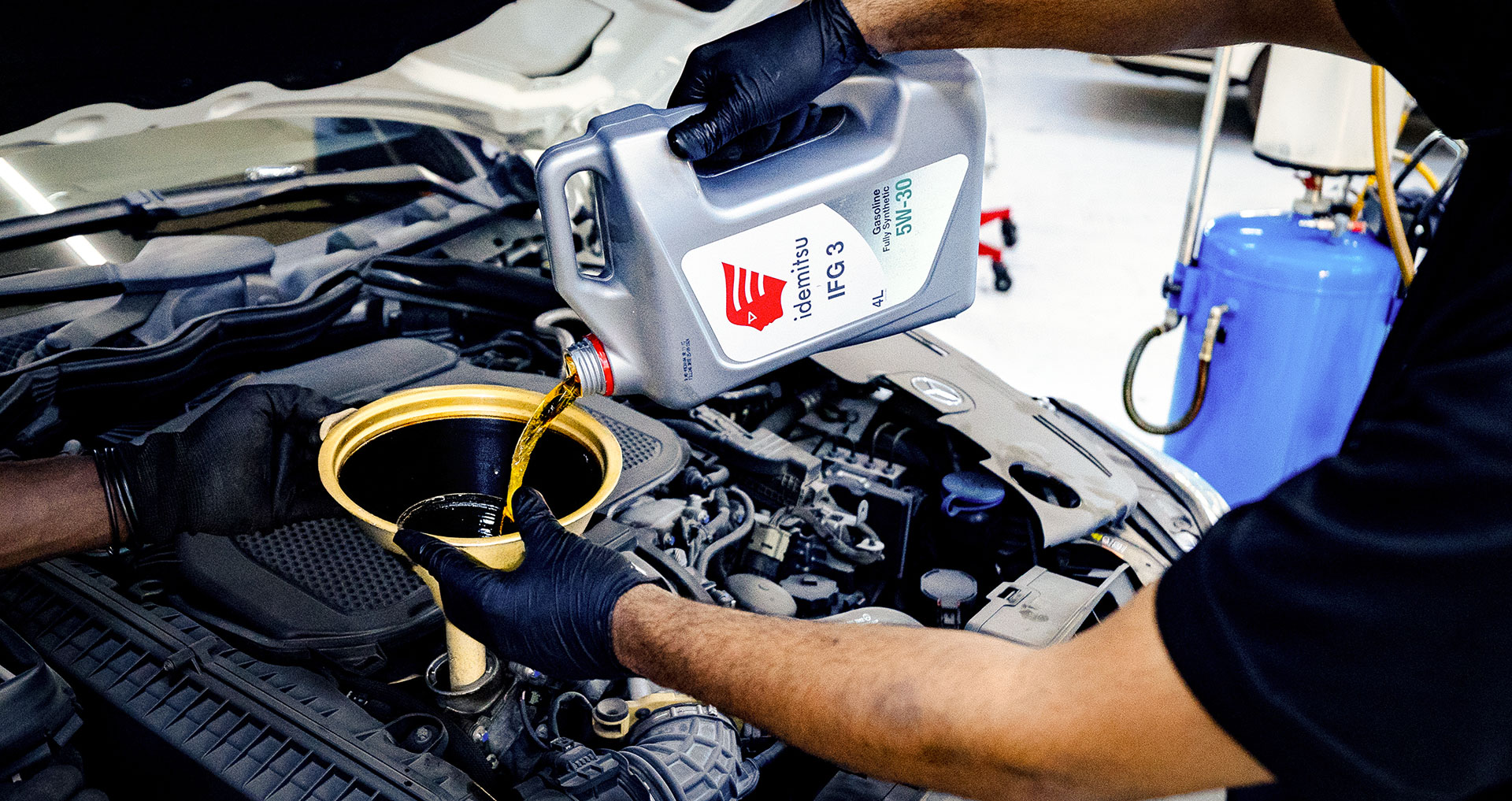
The easiest way to understand motor oil is to read the SAE label correctly. The Society of Automotive Engineers defines viscosity grades such as 0W-20, 5W-30, 5W-40, or 10W-40. The first number, together with the “W”, relates to low-temperature flow and starting behaviour. The second number shows how the oil behaves at operating temperature. Lower winter numbers can help faster flow at start-up, while the second number reflects how thick the lubricant remains once the engine is hot. In practical terms, a 5W-30 and a 5W-40 may both start well, but the second product will generally maintain a thicker film when fully hot. SAE grades classify viscosity only; they do not by themselves confirm whether the product meets the performance standard required by your vehicle.
For most modern cars, the correct answer is not “thicker is safer” or “thinner is better.” The right choice is the grade recommended for that exact model, series, mileage range, and driving conditions. Carmakers design oil passages, bearing clearances, timing systems, turbochargers, and emission hardware around a specific lubricant window. Using a random alternative can reduce fuel economy, slow oil circulation, or affect long-term protection. That is why a 0W-20 may be perfect for one late-model petrol vehicle, while another may require 5W-30, 5W-40, or a low-SAPS formula with a specific OEM approval.
How viscosity affects your engine in UAE conditions
In hot climates, many drivers assume they must move to a heavier oil automatically. That is not always correct. A high ambient temperature does matter, but the real decision should still be based on the manufacturer recommendation and the way the car is used. In the UAE, stop-and-go city traffic, repeated short trips, desert dust, long idle time, and sustained motorway speeds all count as severe driving conditions, so regular interval control is just as important as grade selection.
A thinner grade is not automatically weak, and a thicker grade is not automatically superior. The correct multi-grade oil is formulated to maintain a consistent protective film across a working temperature range. If the viscosity is too low for the application, the film can become insufficient under load. If it is too high, circulation on start-up and hydraulic response may suffer. This is especially important for turbocharged engine designs, variable valve timing systems, and newer emissions-equipped cars that depend on precise oil flow and approved additive chemistry.
Common engine oil types and when they are suitable
Most buyers will come across three main types of engine oil: mineral or conventional, semi synthetic, and fully synthetic. Mineral products are the most basic option and are usually found in older applications or price-sensitive maintenance. Semi-synthetic blends sit in the middle and are often selected for balanced cost and performance. Fully synthetic oils are made from carefully engineered base stocks and additive packages and are widely considered the best fit for many modern engines because they deliver better stability, cleaner performance, and stronger protection under demanding heat and load.
That does not mean every car needs the same product. Older vehicle age and high mileage can influence what is suitable. Some engines may benefit from a different approved viscosity within the range permitted by the manual. Some diesel and direct-injection units may need low SAPS or mid SAPS chemistry to protect filters and after-treatment systems. The key point is to select the right type together with the right grade and the right performance specification, not just a famous brand.
How to choose the right engine oil without guesswork
The safest guide is simple. Start with the handbook, then confirm the product label, then verify the approval. At Sayara.parts, this is the same logic we recommend to retail customers, workshops, and trade buyers who want the right product fast and without avoidable returns.
- Check the owner manual or maintenance section for the specified SAE grade and required API or OEM approval.
- Match the oil type to the application: conventional, semi synthetic, or fully synthetic.
- Consider real driving conditions in the UAE, not just brochure claims.
- Look at vehicle age, mileage, and whether the engine has a turbo, DPF, or strict emissions system.
- Use a trusted lookup tool, VIN data, or an experienced supplier if the handbook is missing or the model has multiple approved grades.
That process works far better than choosing by price alone or following internet myths. Some manufacturers also promote their own branded lubricants or approved partner products, such as Motorcraft®, Honda Genuine, or specialist lines from premium oil brands, but the real requirement is always the stated specification and approval match, not the logo on the bottle by itself.
At Sayara.parts, customers can search by vehicle details, part references, or service requirements and get practical help identifying a suitable lubricant before ordering. That reduces mistakes, especially where one car model may have more than one approved grade depending on engine, production year, or market version. Sayara.parts also supports workshop and bulk buyers who need consistent supply, clear availability, and dependable product matching rather than trial and error.
Motor oil classifications and approvals
Viscosity is only one half of the decision. The other half is the performance classification. For petrol engines, many products carry API service categories and ILSAC standards; newer API categories are designed to improve wear control, deposit protection, timing chain durability, LSPI protection in certain turbocharged engines, emissions-system compatibility, and fuel economy.
OEM approvals matter just as much. A European car may call for ACEA-style performance and a specific approval from BMW, Mercedes-Benz, Volkswagen, Porsche, Ford, or another manufacturer. In those cases, the bottle should clearly show the exact approval or a specification that is explicitly acceptable for that engine family. This is why two oils with the same SAE 5W-30 label are not always interchangeable.
FAQs
1. What do the numbers on engine oil bottles mean?
They show the SAE viscosity grade. The first number with “W” relates to cold-start flow, and the second number shows how the oil performs when hot. It is a quick way to identify how the lubricant behaves across temperature ranges, but you still need the correct API or OEM approval as well.
2. Can I mix different engine oil grades?
In an emergency, mixing may help you avoid a breakdown if the level is critically low, but it is not ideal as a normal practice. Different grades, additive packages, and approvals may not deliver the performance the engine was designed around. Top up only when necessary, then return to the recommended product as soon as possible.
3. How does viscosity affect engine protection?
Viscosity determines how easily the oil flows at start-up and how well it maintains a protective film at operating temperature. Too thin or too thick for the application can compromise lubrication, efficiency, or component response. The best protection comes from using the grade and specification the manufacturer specified for your car and your climate.
Choosing engine oil should not feel complicated when the process is handled properly. Read the manual carefully, verify the SAE grade, confirm the approval, and buy from a supplier that understands fitment and application details. Whether you maintain one private car or manage a workshop fleet, Sayara.parts helps you choose the right lubricant with less guesswork and more confidence.